
Neurological Rehabilitation: Your Guide to Brain Injury Recovery
When a person experiences an injury to the brain, spinal cord, or nerves, it can affect their ability to move, speak, think, or feel. These are known as neurological injuries. They can be caused by strokes, brain trauma, spinal cord damage, or conditions such as Parkinson’s disease or multiple sclerosis.
Recovering from such conditions is often challenging and requires more than just rest. This is where neurological rehabilitation becomes essential. It is a special type of therapy that helps individuals regain control over their body and mind. It improves strength, balance, speech, memory, and overall independence.
In this blog, we will explore what neurological rehabilitation is, who can benefit from it, how it works, and how it helps individuals lead better and more independent lives.
What Is Neurological Rehabilitation?
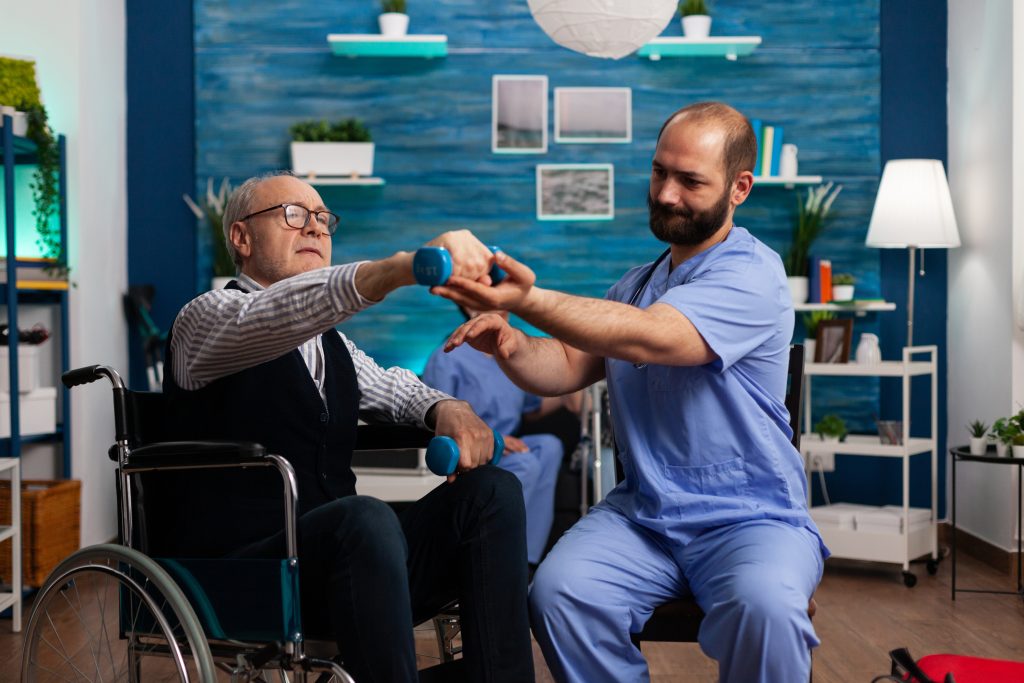
Neurological rehabilitation, often referred to as neuro rehab, is a specialized therapy that focuses on recovery after damage to the nervous system, which consists of the brain, the spinal cord, and the network of nerves. When these areas are affected, a person may struggle with movement, speech, coordination, or memory. Neuro rehab is a long-term and individualized process that helps improve these functions using specific exercises and treatment techniques.
Who Needs Neurological Rehabilitation?
This sort of rehabilitation is beneficial for persons who have suffered nerve injury as a result of:
- Stroke: When the blood supply to the brain is interrupted, it can result in weakness, difficulty speaking, and loss of coordination.
- Traumatic Brain Injury: Caused by falls, accidents, or direct head injuries, this condition can affect memory, thinking, and movement.
- Spinal Cord Injury: Damage to the spinal cord can make it difficult to move, sit, or perform daily activities.
- Multiple Sclerosis: A chronic condition that affects communication between the brain and body, leading to fatigue and coordination problems.
- Parkinson’s Disease: This condition slows down body movements and causes tremors and muscle stiffness.
- Cerebral Palsy: Usually present from birth, it affects posture, movement, and muscle control.
- Nerve Injuries: These can occur due to accidents, infections, or health conditions that damage nerves in various parts of the body.
How Neurological Rehabilitation Can Help You?
The goals of neurological rehabilitation depend on the individual’s condition, but some common outcomes include:
- Improving speech and communication
- Making daily activities easier
- Enhancing memory, attention, and thinking skills
- Supporting independent living
- Speeding up recovery after injury
- Increasing physical strength and coordination
- Improving balance and lowering the risk of falls
- Boosting confidence and emotional well-being
- Enhancing overall quality of life
What Happens During Neurological Rehabilitation?
In neurological rehabilitation, different therapies work together to heal you. Each therapy is tailored to your specific condition and recovery goals. Common types include:
Physiotherapy
Physiotherapy helps the body regain strength and movement. It includes exercises to improve muscle power, balance training, walking practice, and stretching to reduce stiffness. A qualified physiotherapist in Surrey, BC can create a personalized treatment plan to support safe and effective recovery.
Occupational Therapy
Occupational therapy helps individuals perform daily tasks like getting dressed, using the washroom, preparing meals, and writing. The goal is to support greater independence in both home and workplace settings.
Speech and Language Therapy
People who have trouble speaking or swallowing after a brain injury can benefit greatly from this therapy. It helps improve the clarity of speech, language understanding, and safe swallowing techniques.
Cognitive Rehabilitation
Some individuals may struggle with memory or concentration after a neurological injury. This therapy improves attention, problem-solving, and decision-making skills through specific mental exercises and activities.
Emotional and Psychological Support
Dealing with a serious injury can affect a person emotionally. Professional counselling helps patients cope with emotions, manage stress, and build confidence. Mental well-being is equally essential as physical rehabilitation.
How Much Time Does Neurological Rehabilitation Usually Take?
There is no fixed time for neurological recovery. Some people may see improvement in a few weeks, while others may need months or longer. The recovery time depends on:
- The seriousness of the injury
- The person’s overall health and age
- Frequency of therapy sessions
- Support from family or caregivers
Visit Vital Physiotherapy Clinic in Surrey, BC for specialised care. Here, each patient receives a customized plan that matches their pace and goals.
Is Neurological Rehabilitation Painful?
No, neurological rehabilitation is not painful. The treatments and exercises are designed to be gentle and safe. Therapists adjust the plan based on the patient’s comfort and progress. If anything feels difficult, changes are made to ensure a smooth and supportive experience.
Can Children Receive Neurological Rehabilitation?
Yes, children with conditions such as cerebral palsy or head injuries can benefit from neurological rehabilitation. Pediatric therapists use fun and engaging activities to help children improve movement, balance, and communication skills.
Conclusion
Neurological rehabilitation plays a vital role in restoring strength, communication, and confidence after injuries or conditions that affect the brain, spine, or nerves. With personalized support and therapy, people can regain control over their lives and move forward with hope.
Whether recovering from a stroke, spinal injury, or neurological disorder, timely rehabilitation can make all the difference. If you or someone you care about is facing such a challenge, reach out to Vital Physiotherapy Clinic in Surrey, BC. Let us walk with you on the road to recovery, one step at a time.