
How Physiotherapy Can Help Treat Frozen Shoulder and Restore Shoulder Movement
Many people ignore shoulder stiffness, thinking it is normal or that it will get better on its own. But when shoulder pain and stiffness start affecting simple activities like dressing, reaching overhead, driving or sleeping, it is important to understand what may be causing it.
Are you having trouble moving your shoulder freely? Does your shoulder feel tight, stiff or “stuck”? You may be experiencing frozen shoulder, also known as adhesive capsulitis.
The good news is that you don’t have to live with limited shoulder movement. In this blog, we will explain what frozen shoulder is, its symptoms and stages, what causes it and how physiotherapy can help reduce pain and restore shoulder mobility.
What Is Frozen Shoulder?
Frozen shoulder, also called adhesive capsulitis, can cause shoulder pain, stiffness and limited movement. It occurs when the tissues around the shoulder joint become tight, swollen and less flexible. It makes
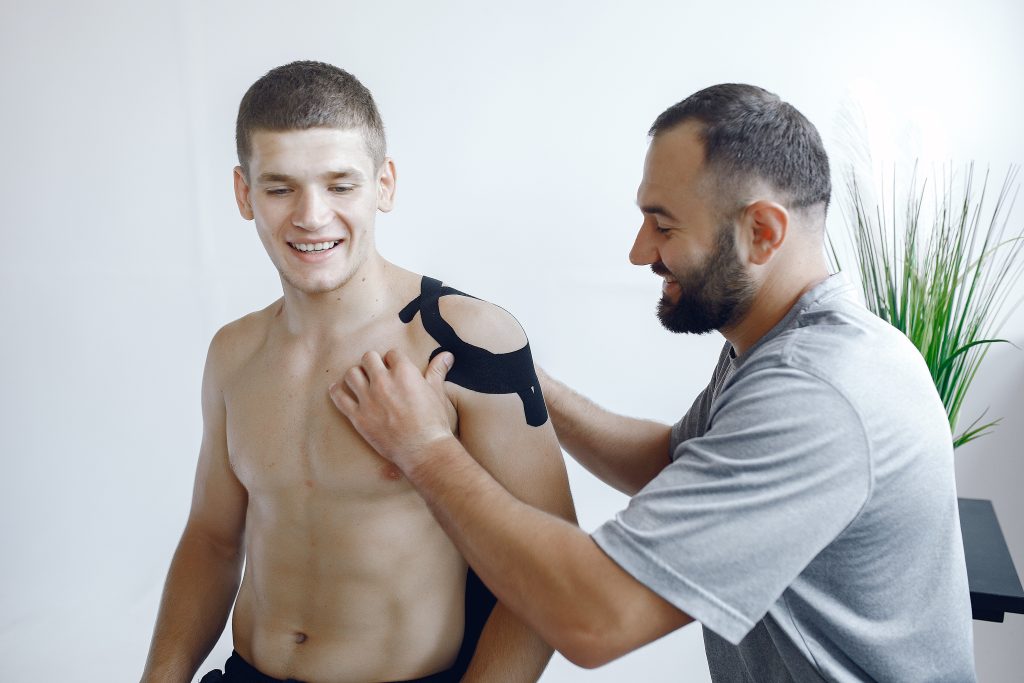
everyday movements such as lifting your arm, reaching behind your back or getting dressed difficult.
Frozen shoulder develops gradually and can take time to improve. It generally progresses through three stages:
- Freezing Stage: Pain increases and shoulder movement gradually becomes limited.
- Frozen Stage: Pain may reduce, but stiffness becomes the main problem, making shoulder movement difficult.
- Thawing Stage: Shoulder movement slowly improves and you gradually regain mobility.
Severity and recovery time can vary from person to person; proper assessment and physiotherapy for frozen shoulder can help.
Common Symptoms of Frozen Shoulder
The symptoms can vary, but common frozen shoulder symptoms include:
- Shoulder pain, especially when moving the arm
- Increasing shoulder stiffness
- Difficulty lifting the arm overhead
- Trouble reaching behind your back
- Pain that may be worse at night
- Difficulty dressing or putting on a jacket
- Reduced shoulder range of motion
- Difficulty performing normal household or work activities
One important sign is that shoulder movement becomes limited in several directions, not just during one particular movement. If your shoulder pain or stiffness is getting worse, a physiotherapy assessment can help determine whether frozen shoulder may be the problem or whether another shoulder condition could be causing your symptoms.
How Can Physiotherapy Help Frozen Shoulder?
The main goal is to reduce pain and gradually improve your shoulder movement without pushing the joint too hard.
1. Gentle Shoulder Exercises
Your physiotherapist may recommend gentle exercises based on your current shoulder movement and flexibility. For example, controlled movements may help you gradually work on reaching forward or lifting your arm. The exercises are progressed as your shoulder improves.
2. Stretching and Mobility Exercises
Gentle stretching helps improve flexibility and shoulder mobility. However, more exercise is not always better. Exercises should be selected according to your symptoms and stage of recovery. Your physiotherapist can guide you on how to perform them safely.
3. Manual Therapy
Your physiotherapist may use hands-on treatment to support shoulder movement. Exercises can be added to help you build and maintain mobility.
4. Improving Shoulder Strength
As pain and stiffness improve, strengthening exercises may become part of your rehabilitation. Improved shoulder strength can help you return to normal activities and use your arm comfortably and confidently.
5. Home Exercise Program
Your progress does not only depend on what happens during your physiotherapy appointment. A simple home exercise program for frozen shoulder can help you continue working on mobility between appointments.
Your physiotherapist can guide you on how often to do the exercises. They can also advise how much movement is safe and appropriate. Vital Physiotherapy provides personalized exercise and rehabilitation plans based on your movement goals.
What Causes Frozen Shoulder?
The exact cause is not always clear. Frozen shoulder can sometimes develop without an obvious injury.
Some situations are linked with a higher risk of developing frozen shoulder, including:
- Keeping the shoulder still for too long
- Previous shoulder injury
- Recovery after surgery
- Certain health conditions
- Reduced shoulder movement for an extended period
If you have had a shoulder injury or surgery and notice that your movement is becoming increasingly limited, getting an assessment can help you understand what is happening.
Can Physiotherapy Restore Shoulder Movement?
For many people, physiotherapy for frozen shoulder can be an important part of recovery. The goal is not to force the shoulder to move. Instead, physiotherapy treatment focuses on gradual, controlled improvement in pain, flexibility, strength and function.
Your recovery time will depend on factors such as the severity of your symptoms, the stage of frozen shoulder, your overall health and how your shoulder responds to treatment.
When Should You See a Physiotherapist for Frozen Shoulder?
Consider seeing a physiotherapist if:
- Your shoulder pain is not improving.
- You are losing shoulder movement.
- You have difficulty sleeping because of shoulder pain.
- You have trouble lifting or rotating your arm.
- Daily activities are becoming difficult.
- Shoulder stiffness continues after an injury.
- You are unsure whether you have frozen shoulder or another shoulder problem.
A physiotherapy assessment can help identify what is limiting your shoulder movement. Your treatment can then be tailored to your symptoms and recovery needs.
Conclusion
Shoulder stiffness can affect how you work, sleep, exercise and manage everyday tasks. If your shoulder movement has become limited, it may be time to get it assessed rather than simply waiting for it to improve.
At Vital Physiotherapy in Surrey, BC, you can receive guidance based on your symptoms and daily needs. A physiotherapist can help you understand your shoulder condition and choose suitable next steps.
Looking for frozen shoulder physiotherapy in Surrey, BC? Contact Vital Physiotherapy to book an assessment and get started with a plan that supports your recovery.
Frequently Asked Questions (FAQs)
Frozen shoulder can improve over time, but recovery may take many months. Some people continue to have pain or limited movement without appropriate management. Physiotherapy can help you work on mobility, strength and function during recovery.
There is no single exercise that is best for everyone. Gentle shoulder mobility and stretching exercises may be recommended, depending on your symptoms and stage. A physiotherapist can choose exercises that are suitable for your condition.
Frozen shoulder can last for months and recovery varies between individuals. The condition commonly progresses through freezing, frozen and thawing stages. Some people may take a year or longer to regain full movement.
It can be painful, particularly during the early stage. Pain may increase with shoulder movement and can sometimes disturb sleep. Later, stiffness may become the bigger concern.
Hands-on treatment may be included in a physiotherapy plan when appropriate. However, massage alone may not address the loss of shoulder movement. A combination of appropriate mobility exercises, strengthening, education and hands-on treatment may be used depending on your needs.
Yes, but exercises should be appropriate for your condition. Avoid forcing painful movements or following a generic exercise routine without understanding your symptoms. A physiotherapist can guide you on safe movement and progression.
If shoulder pain or stiffness is affecting your sleep, work, exercise or everyday activities, it is a good idea to seek an assessment. Early professional guidance can help you understand the cause of your symptoms and plan your recovery.
 imunify-bot-check