
Sports Injury

Sports Physiotherapy in Surrey | BC
Get high-quality Sports Physiotherapy in Surrey, BC with Vital Physio’s team of expert therapists. Our skilled therapists have extensive experience and training for treating sports injuries. Before initiating the sports physiotherapy, our professional will perform an assessment for knowing the extent, severity, and nature of the injury. They also assess the whole injury impact on your daily life and athletic activities.
At Vital Physio, we assess the strength, muscle balance, alignment, and flexibility of your entire body. Then, we give a summary of our verdict and build up an exercise program as per the demands and needs of your sport. The sports physiotherapy helps in preventing injuries and improves your overall performance in sport. Our sports physiotherapy is benefitted by the person having various sports injuries such as knee joint injuries, sprains, muscle pain, stress fracture, and Hamstring strain. Contact us for getting fast muscle recovery and pain relief by our sports physiotherapy expert.
Why Sports Physiotherapy?
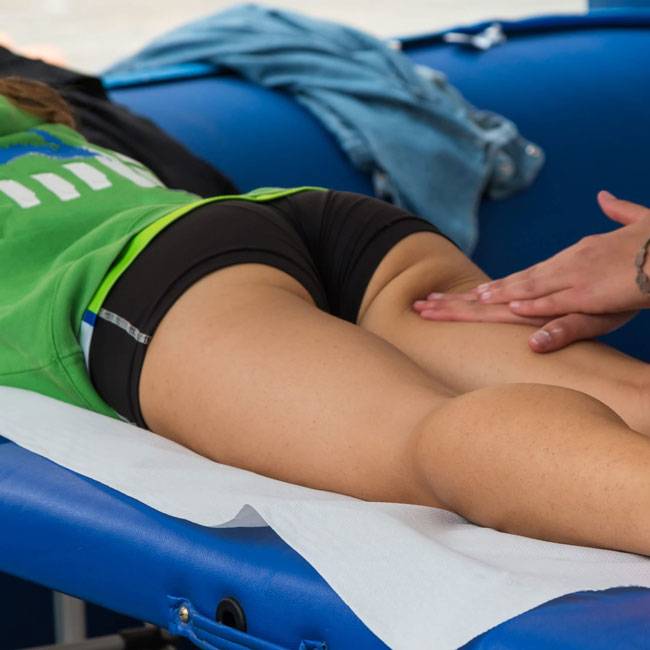
Sports therapy utilizes different advance procedures including full body massage, heat/ice, stretching, electrotherapy, needle therapy, ultrasound, and vestibular therapy to keep up top function and fitness.
Our Sports physiotherapist in Surrey can provide tailored training plans for an athlete’s upcoming sports events, treat sports related injuries or offers hands on treatment to enhance the overall performance and prevent injury.
There are some of the top advantages of having a sports physiotherapy:
- Injury Prevention
- Promotes Relaxation
- Injury Treatment
- Muscle & Flexibility in Joints
FAQs
Sports injury rehab physiotherapy is a specialized treatment approach focused on recovering from injuries caused by physical activity or sports. It combines targeted exercises, manual therapy, and education to restore strength, mobility, and function. The goal is to help individuals safely return to activity while reducing the risk of re-injury.
Physiotherapy can treat a wide range of sports injuries, including muscle strains, ligament sprains, tendon injuries, joint pain, and overuse conditions. These injuries may result from repetitive movement, poor technique, or sudden impact. A structured treatment plan focuses on healing tissues and restoring functional movement.
Sports physiotherapy promotes recovery by reducing pain, improving mobility, and restoring strength through guided exercises and hands-on techniques. It addresses both symptoms and underlying causes such as muscle imbalances or poor biomechanics. This approach helps accelerate healing and supports a safe return to activity.
You should seek physiotherapy as soon as possible after experiencing pain, swelling, or limited movement following a sports activity. Early assessment allows accurate diagnosis and timely intervention. Prompt treatment can prevent complications, reduce recovery time, and improve overall outcomes.
Recovery time depends on the type and severity of the injury, as well as your overall health and commitment to the rehabilitation plan. Some minor injuries improve within weeks, while more complex conditions may take several months. Consistent therapy and guided progression are key to optimal recovery.
Yes, physiotherapy plays a key role in injury prevention by identifying weaknesses, movement imbalances, and risk factors. Therapists design personalized programs to improve strength, flexibility, and coordination. This proactive approach helps reduce the likelihood of recurring injuries and supports long-term performance.
The primary goal of sports injury rehabilitation is to help you safely return to your sport at your previous or improved level of performance. Therapists guide you through progressive training phases that rebuild strength and endurance. Return-to-sport decisions are based on functional readiness and recovery progress.
A typical session includes assessment, targeted exercises, manual therapy, and education tailored to your injury and goals. Treatment evolves as you progress, focusing on strength, flexibility, and sport-specific movements. This structured approach ensures safe recovery and improved physical performance.